Cost is the reason most UK patients start looking at treatment abroad, and it is also the area where they are given the least useful information. Clinic websites advertise a per-tooth price with no context; forums quote figures without saying what was included; and almost nobody explains the point below which travelling costs more than it saves.
This article sets out the comparison honestly, including the costs that do not appear on a treatment quote.
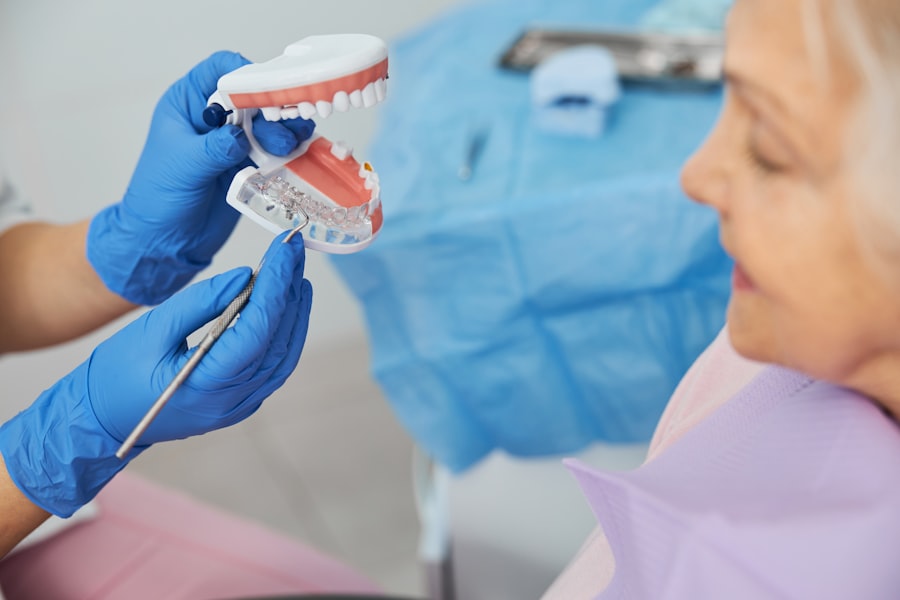
A written treatment plan, not a per-tooth price, is what should be compared
Why the Difference Exists
The most common assumption is that lower prices mean lower-grade materials. For a properly run clinic that is not where the saving comes from, and understanding why matters when you are assessing whether a quote is credible.
Implant systems, zirconia and lithium disilicate ceramic blocks, surgical kits and CBCT scanners are globally traded products. A clinic in Antalya buying Straumann or a comparable premium implant system pays broadly what a clinic in Nottingham pays for the same item. Materials are close to cost-neutral between the two countries.
What differs is everything around the materials: clinical and laboratory salaries, premises and rent, professional indemnity, regulatory and administrative overheads, and the general cost base of running a business. Those are substantially lower in Turkey, and the exchange rate widens the gap further for anyone earning in sterling. Turkey also has an unusually high density of dental laboratories and a large volume of full-arch work, which drives specialisation and reduces unit cost.
This distinction gives you a practical test. A saving of 50–60% against UK private fees is explainable by operating costs. A saving of 85% is not, and something in that quote is being compromised — most often the implant system, the chair time, or the amount of preparation being done properly.
Procedure-by-Procedure Comparison
| Treatment | UK (private) | Antalya |
|---|---|---|
| Zirconia crown | £700–£1,500 | £280–£450 |
| Porcelain veneer | £800–£1,200 | £300–£450 |
| Composite bonding | £250–£450 | £90–£160 |
| Single dental implant (implant + abutment + crown) | £2,000–£3,500 | £800–£1,400 |
| All-on-4, per arch | £12,000–£18,000 | £5,000–£8,000 |
| All-on-6, per arch | £15,000–£22,000 | £6,500–£10,000 |
| Laser / in-surgery whitening | £350–£700 | £150–£300 |
| Sinus lift | £1,200–£2,500 | £500–£900 |
| Night guard / splint | £250–£500 | £100–£200 |
Ranges are indicative for planning purposes only and vary with case complexity, material selection and implant system. They are not a quotation. Any figure you rely on should come from a written plan following a consultation and radiographic assessment.
What Travel Actually Adds
These are the costs that decide whether the trip is worthwhile, and they are routinely left out of comparisons.
- Return flights — roughly £120–£350 per person depending on season and departure airport. Direct routes to Antalya from UK regional airports are plentiful in summer and thinner in winter.
- Accommodation — budget for the full treatment window, not just a couple of nights. A veneer or crown case needs 5–7 days; implant surgery with immediate loading typically needs 7–10 days on the first trip.
- Second trip — implant cases require a return visit after 3–6 months of healing for the definitive prosthesis. That is a second set of flights and accommodation, and it must be in the budget from the start.
- Transfers, meals, incidentals — modest individually, but they accumulate across a week or more.
- Travel insurance — standard policies generally exclude planned medical treatment. You need a policy that covers it, which costs more.
- Time off work — for many patients this is the largest hidden cost, particularly for self-employed patients where a week away is directly lost income.
- UK aftercare — routine reviews, hygiene appointments and any small adjustments between trips are carried out in the UK at UK rates.
A realistic all-in figure for a single trip, excluding treatment, is around £400–£700 per person. For an implant case requiring two trips, double it.
The Break-Even Point
Set the treatment saving against roughly £500 of travel cost per trip and the picture becomes clear.
Not worth travelling for
A single crown or one or two veneers. The saving of perhaps £400–£900 is largely consumed by the trip, and you have spent a week of annual leave to break even. Have this treatment done in the UK.
Marginal
Three to four units. The saving of roughly £1,500–£3,000 clears the travel cost, but not by so much that it should be the only reason to go. If you are travelling anyway, or if you specifically want a particular clinician, it can make sense.
Clearly worthwhile financially
Six or more units of ceramic work, multiple implants, or full-arch treatment. A full upper and lower All-on-4 case can differ by £15,000–£20,000 between the UK and Antalya. At that scale the travel cost is a rounding error, and treatment that would be financially out of reach in the UK becomes achievable.
The pattern is simple: the more extensive the treatment, the stronger the case for travelling. For small cosmetic work, stay home.
Full-arch treatment is where the cost difference becomes decisive
Where Cheap Quotes Hide Their Costs
If a quote is dramatically below the ranges above, the saving is usually coming from one of these places.
Unnamed implant systems
Premium implant systems cost more because they carry long-term clinical data and, critically, because their components remain available worldwide. If your implant fails or an abutment fractures in five years, a UK dentist needs to identify the system and obtain matching parts. An unbranded implant may leave them unable to do so, and the remedial cost of that far exceeds the original saving. Always ask for the manufacturer and model in writing, and keep the implant passport.
Crowns where veneers were indicated
This is the most consequential problem in cosmetic dental tourism. Preparing healthy teeth for full crowns when veneers or composite bonding would have achieved the same aesthetic result is faster and produces a uniform outcome, but it removes far more tooth structure permanently and raises the long-term risk of needing root canal treatment. The comparison to make is not crown price versus crown price — it is whether you should be having crowns at all. See veneers vs composite bonding.
Volume and chair time
A very low price can only work at high patient throughput. Ask how many patients the clinician treats per day and how much chair time your case is allocated. Full-arch work in particular does not compress well.
No written warranty or aftercare pathway
Ask what is guaranteed, for how long, what is excluded, and who pays for the return flight if remedial work is needed. A clinic that will not put this in writing before you travel has told you something important.
Questions Worth Asking Before You Pay a Deposit
- Which implant system, by manufacturer and model, and will I receive an implant passport?
- Is the quote itemised, and what specifically is not included?
- Is a second trip required, and is it included in this price?
- What is the written warranty, and what voids it?
- Who will provide my routine aftercare in the UK between visits?
- Will I receive full clinical records, radiographs and material details to give my UK dentist?
- Is the treatment plan based on my CBCT scan, or on photographs alone?
A clinician who answers all of these directly and in writing is demonstrating something a price list cannot.
Treatment Pathway From the UK
For UK patients, treatment is planned before travel rather than on arrival. The sequence is an online consultation reviewing your records, radiographs and photographs; a written itemised plan with costs and the expected number of visits; scheduling around confirmed travel; treatment in Antalya; and a defined aftercare arrangement for follow-up in the UK.
Consultations are offered UK-wide from Nottingham, and there is no cost or obligation for the initial assessment. Individual treatments are covered in detail in the articles on dental implants, crowns, All-on-6, laser whitening and TMJ treatment.
Frequently Asked Questions
Why is dental treatment so much cheaper in Turkey?
Operating costs, not materials. Salaries, premises, indemnity and regulatory overheads are much lower, and the exchange rate widens the gap for sterling earners. Implants and ceramics are globally traded and cost broadly the same to buy in either country.
Is it worth flying out for one crown?
No. With flights, accommodation and time off costing around £400–£700, a single-unit saving does not justify the trip. The economics start working at roughly three to four units and become compelling for full-arch work.
What do people most often forget to budget for?
The second trip for implant cases, travel insurance that actually covers planned treatment, and UK aftercare between visits. Self-employed patients also frequently underestimate the cost of a week away from work.
Should a very cheap quote worry me?
Yes. A 50–60% saving against UK fees is explainable. An 85% saving is not, and the compromise is usually the implant system, the chair time, or unnecessary crown preparation on healthy teeth. Ask what is being left out.
Who fixes it if something goes wrong after I get home?
Establish this before you travel. Remedial work by a UK dentist is charged at UK private rates, and returning to the original clinic means more flights. Get the warranty terms, the aftercare arrangement and who bears the cost of a return trip in writing.
Will my NHS dentist see me for aftercare?
Many will provide routine examinations and hygiene care, but NHS dentists are generally not obliged to maintain or repair private work carried out abroad, and some decline. Confirm with your own practice before committing, and budget for private aftercare if necessary.