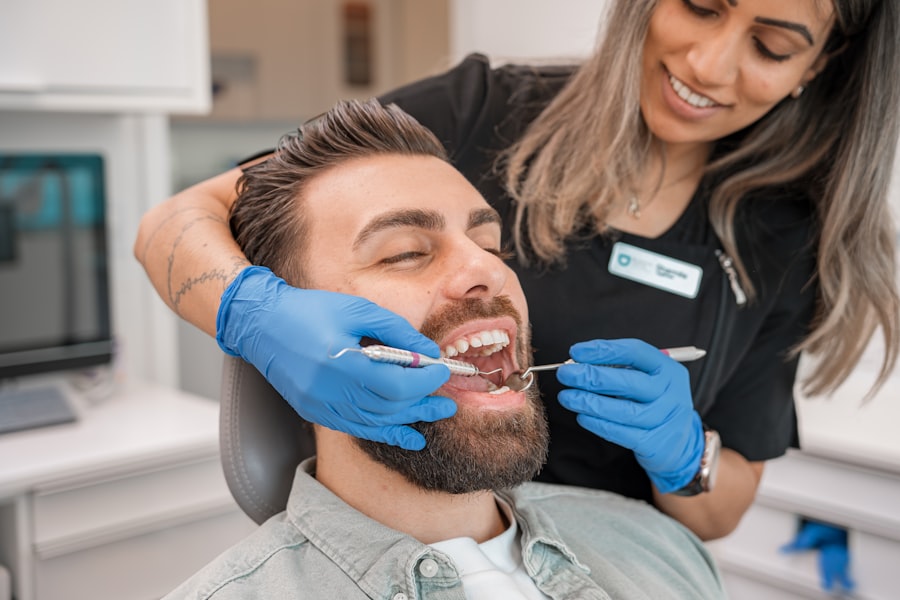
Tooth discolouration is one of the most common aesthetic concerns in dentistry, and for good reason — the colour of teeth has a significant influence on the overall appearance of a smile. Over time, dietary habits, age-related changes to dentine, and lifestyle factors such as tobacco use gradually shift teeth away from their natural brightness. Professional laser whitening addresses this directly, using clinician-controlled concentrations of hydrogen peroxide gel activated by a specialised light source to achieve results that no over-the-counter product can replicate.
As a prosthodontist, I approach whitening not in isolation but in the context of the whole smile. Before recommending in-clinic laser whitening, I consider the nature and origin of the discolouration, the condition of existing dental restorations, the health of the gum tissue, and whether whitening alone is the most appropriate solution or whether it forms the first step in a broader aesthetic treatment plan. For many patients — particularly those with predominantly extrinsic or mild intrinsic staining — a single in-clinic session produces a dramatic and immediate improvement.
Laser whitening consultation — Dr. Dt. Tuba Akcakus Battal
How Laser Whitening Works
Hydrogen Peroxide Chemistry
The active agent in all professional whitening systems is hydrogen peroxide (H2O2). When applied to the tooth surface, the H2O2 molecule diffuses through the enamel and into the underlying dentine — both of which are permeable to small molecules. Within the tooth, it dissociates into free radicals, most importantly the hydroxyl radical (·OH). These highly reactive species attack the chromogenic (colour-producing) organic molecules responsible for staining — chains of conjugated double bonds that absorb specific wavelengths of visible light. The radicals break these conjugated chains, producing smaller, colourless molecules and thereby lightening the perceived colour of the tooth.
It is worth understanding the distinction between hydrogen peroxide and carbamide peroxide, as both are used in professional whitening. Carbamide peroxide (CP) is a more stable compound — a co-crystalline complex of H2O2 and urea — used primarily in home whitening trays. When placed in the mouth, CP breaks down into hydrogen peroxide and urea. Because this breakdown is gradual, CP releases H2O2 more slowly, making it well suited to the extended contact times of overnight or daytime tray whitening. In-clinic laser systems use hydrogen peroxide directly, typically at concentrations between 25% and 40%, which allows faster action under controlled conditions.
The Role of Light Activation
The "laser" or light component of in-clinic whitening accelerates the decomposition of hydrogen peroxide, generating a higher initial burst of free radicals and increasing the rate of the whitening reaction. Modern systems — including Philips Zoom, Beyond, and Ultradent — use LED or blue-spectrum light sources specifically matched to the absorption properties of the whitening gel. Earlier generations of whitening lamps used halogen or plasma arc light, which generated significant heat and was associated with increased sensitivity and pulp temperature rise. Contemporary LED-based systems emit far less heat while delivering the required light intensity, substantially reducing thermal risk.
The light source is positioned close to the teeth for timed cycles — typically three to four cycles of 15 minutes each — with the gel refreshed between cycles. This cycled approach maintains an adequate concentration of active peroxide throughout the session rather than depleting it in a single prolonged application.
Who Is a Good Candidate?
Laser whitening produces the best results for patients with the following types of discolouration:
- Extrinsic staining — surface deposits from coffee, tea, red wine, tobacco, and certain foods that have penetrated superficially into the enamel surface.
- Intrinsic discolouration from ageing — as enamel thins and dentine naturally yellows with age, teeth appear darker; peroxide penetrates to the dentine and lightens this underlying colour.
- Mild dietary intrinsic staining — pigments from long-term dietary habits that have diffused into the enamel and superficial dentine.
Laser whitening is not recommended in the following circumstances:
- Tetracycline-related discolouration — this antibiotic, when taken during tooth development, incorporates into the dentine structure and produces grey or banded discolouration that does not respond meaningfully to peroxide whitening; porcelain veneers are typically a more appropriate solution.
- Existing dental restorations in the smile zone — composite bonding, porcelain veneers, ceramic crowns, and tooth-coloured fillings do not whiten; whitening natural teeth around them can create a visible colour mismatch.
- Pregnancy and breastfeeding — whitening is deferred until after this period as a precautionary measure.
- Severe pre-existing dentine hypersensitivity — very sensitive teeth may not tolerate the treatment well; a thorough assessment and desensitising pre-treatment are required before proceeding.
The Whitening Procedure — Step by Step
- Shade assessment and clinical photography. The baseline tooth shade is recorded using a standardised shade guide (VITA Classical or VITA Linearguide 3D-Master) and calibrated photographs are taken under consistent lighting. This baseline is essential for objectively measuring the outcome.
- Soft tissue protection. A rubber dam or light-cured liquid dam is applied to cover the gingival tissue, interdental papillae, and any exposed root surfaces. This prevents the concentrated hydrogen peroxide gel from contacting soft tissue, which would cause chemical irritation or a temporary whitening (bleaching) of the gum tissue.
- Whitening gel application. The hydrogen peroxide gel (typically 25–40% concentration depending on the system) is applied in an even layer across the labial surfaces of all teeth to be whitened — usually the upper and lower anterior teeth, from first premolar to first premolar.
- Light activation — first cycle. The LED or laser light source is positioned and the first timed activation cycle begins (approximately 15 minutes). The patient wears protective eyewear throughout.
- Gel removal and reapplication. The gel is removed, the teeth are lightly rinsed, and fresh gel is applied for the second cycle. This step is repeated for a total of three to four cycles depending on the degree of discolouration and the patient's response.
- Post-whitening shade check. After the final cycle, the gel is fully removed, the soft tissue protection is taken down, and the teeth are rinsed. The new shade is recorded and compared to the baseline — a well-performed session typically achieves a 4–6 shade improvement on the VITA scale.
- Fluoride and desensitising treatment. A neutral fluoride gel or mousse containing potassium nitrate is applied to the teeth for several minutes. This promotes remineralisation of the enamel, reduces post-treatment sensitivity, and helps seal the dentinal tubules.
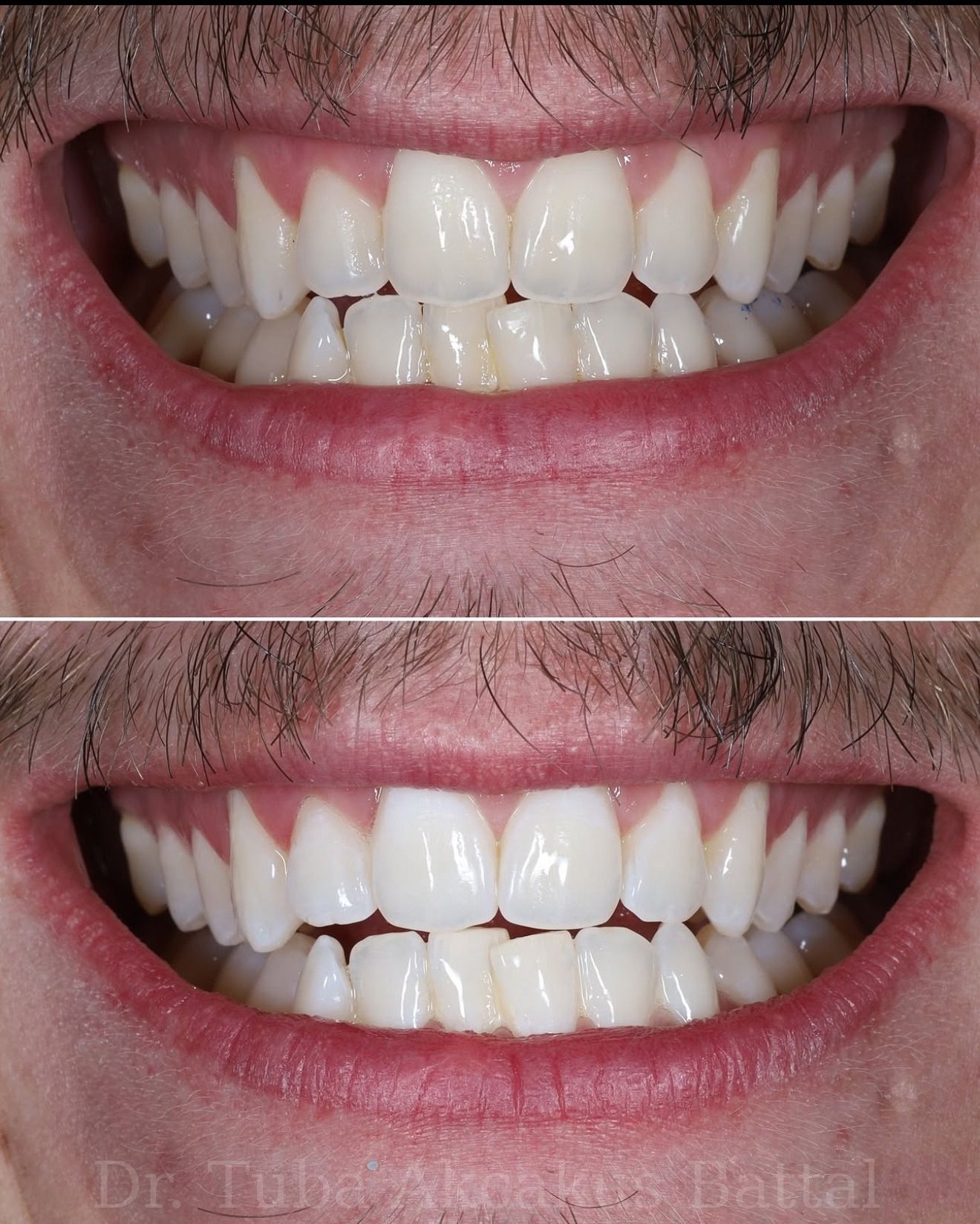
Laser whitening result — visibly brighter smile
Managing Sensitivity
Post-whitening sensitivity is the most commonly reported side effect of professional whitening. It arises because hydrogen peroxide penetrates through the enamel and dentine and reaches the fluid-filled dentinal tubules that communicate with the pulp. The peroxide causes movement of fluid within these tubules, stimulating the hydrodynamic mechanism that triggers the sensitivity sensation — the same mechanism responsible for sensitivity to cold or sweet stimuli in everyday dentistry.
Several strategies minimise sensitivity in clinical practice. Pre-treatment application of potassium nitrate — which depolarises the sensory nerves of the pulp — reduces the baseline excitability of the tooth before whitening begins. Neutral fluoride application before and after the procedure promotes enamel remineralisation and partially occludes the dentinal tubule openings. Modern LED light sources, as noted above, generate significantly less heat than older halogen systems, reducing thermal stimulation of the pulp during treatment.
In almost all cases, any sensitivity experienced after professional in-clinic whitening is transient. It typically peaks within the first few hours post-treatment and resolves within 24–48 hours. Patients are advised to use a desensitising toothpaste (containing potassium nitrate or stannous fluoride) for several days around the treatment date and to avoid very hot or cold foods and drinks for the first 48 hours.
How Long Do Results Last?
The longevity of laser whitening results varies between individuals, but with appropriate maintenance most patients enjoy a noticeably brighter smile for one to three years before a meaningful degree of re-staining occurs. Several factors influence how quickly the shade regresses:
- Diet — regular consumption of coffee, tea, red wine, and dark-pigmented foods accelerates re-staining, particularly in the days immediately after treatment when enamel is temporarily more susceptible.
- Tobacco use — smoking and vaping are among the most significant contributors to extrinsic staining and will substantially reduce the duration of whitening results.
- Oral hygiene — consistent brushing and professional scale-and-polish appointments remove extrinsic surface deposits before they penetrate deeply into enamel.
The most effective maintenance strategy is a set of custom-fitted whitening trays provided after in-clinic treatment. Used with a lower-concentration take-home whitening gel (10–16% carbamide peroxide) for a few nights every three to six months, these trays allow patients to periodically top up their result without returning for a full in-clinic session.
In-Clinic vs Home Whitening
Both in-clinic laser whitening and clinician-prescribed home whitening are effective and clinically safe; they differ primarily in speed, concentration, and the role of the clinician. The table below summarises the key differences to help you decide which approach suits your situation.
| Factor | In-Clinic Laser Whitening | Home Whitening Trays |
|---|---|---|
| H2O2 concentration | 25–40% hydrogen peroxide | 10–16% carbamide peroxide (~3–6% H2O2) |
| Session time | 60–90 min (single appointment) | 30–60 min/night over 2 weeks |
| Speed of result | Immediate — results same day | Gradual — visible after 3–5 nights |
| Degree of whitening | 4–6 shades in one session | 4–8 shades over full course |
| Cost | Higher (single session) | Lower (per shade gained) |
| Supervision | Clinician-supervised throughout | Self-applied at home |
| Best for | Immediate result; special event; patients travelling for dental care | Maintenance; mild staining; gradual improvement |
For patients travelling from the UK to Antalya for dental treatment, the in-clinic option is the natural choice — it delivers the full result within the available appointment time, and custom tray fabrication can be completed during the same visit to allow ongoing home maintenance after returning to the UK.
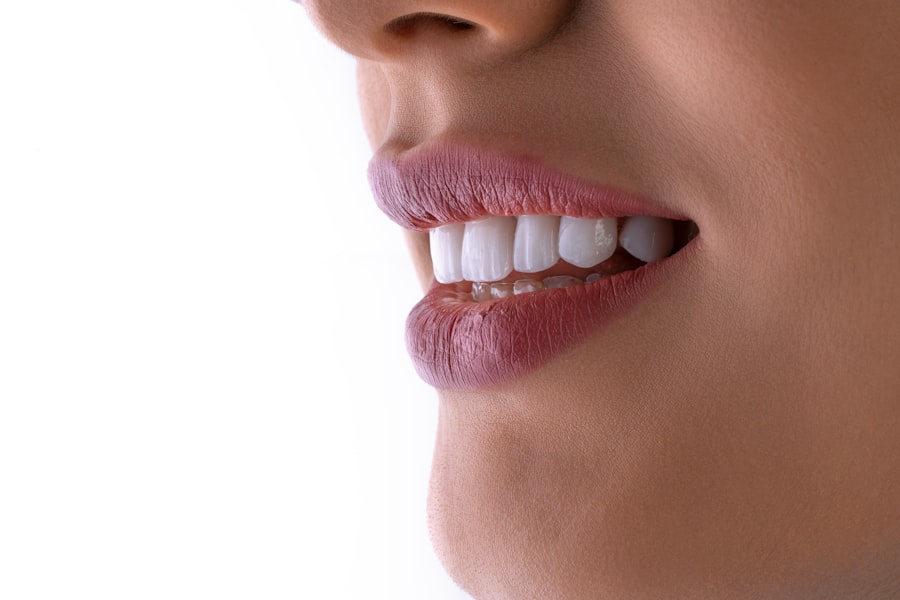
A visibly brighter, more confident smile following professional in-clinic whitening — one of the most immediately rewarding aesthetic dental treatments.
Frequently Asked Questions
Does laser whitening damage enamel?
No. Clinical evidence consistently shows no significant enamel structure loss when hydrogen peroxide whitening agents are used at recommended concentrations and under professional supervision. Acid erosion and structural damage to enamel are caused by acidic agents — not peroxide-based whitening gels. Studies measuring enamel hardness, surface morphology, and mineral content after professional whitening have found no clinically relevant adverse changes to enamel integrity. The mechanism of whitening is oxidative, not erosive: the peroxide oxidises organic chromogenic molecules without dissolving the mineral structure of enamel.
Can whitening fix all types of discolouration?
No — the type of discolouration matters considerably. Extrinsic staining and mild-to-moderate intrinsic staining from dietary and lifestyle factors respond well to professional laser whitening. Tetracycline-related discolouration — which involves the antibiotic becoming incorporated into the dentine matrix during tooth development, producing grey or banded discolouration — responds poorly to peroxide whitening and typically requires a restorative approach such as porcelain veneers. Dental restorations including veneers, ceramic crowns, and composite bonding do not respond to whitening agents at all.
How soon can I eat and drink normally after whitening?
You should follow a "white diet" for 48 hours after treatment, avoiding strongly pigmented foods and beverages such as coffee, tea, red wine, dark sauces, cola drinks, and deeply coloured fruits. Immediately after whitening, the enamel surface is slightly more porous and temporarily more susceptible to re-staining as the whitening gel has opened the surface structure. After 48 hours the enamel remineralises and normal dietary habits can resume — though, as noted above, minimising habitual intake of staining substances will help preserve the result for longer.
What does professional whitening cost in the UK versus Antalya?
In-clinic laser whitening in the UK typically costs between £300 and £700 for a single session, with considerable variation depending on the clinic and the system used. In Antalya, Turkey, the same professional-grade in-clinic treatment — using internationally certified systems — is available at significantly lower cost, typically around 40–50% of UK prices. Many UK patients who combine whitening with other treatments such as veneers or composite bonding find that even including travel costs, treatment in Antalya represents substantial savings without any compromise in clinical standard.